As every month seems to be busier than the last, these monthly updates encapsulate all the details that are important for members to know. Here is the snapshot for the month of July 2021:
Strategy and Objectives Working Group
After a busy few months of putting together the Environmental Risk Study and the Theory of Change, this group is preparing to present these two important pieces of work to the rest of the membership before publishing them on public domains.
While the Environmental Risk Study webinar is scheduled for 29 July, the Theory of Change is still being finalised and will be worked on through a workshop planned for September or October.
The group is also continuing to work on refining the platform external partnerships approval process.
Smallholder Representation Working Group
After an onboarding workshop for Indonesian smallholders this month, the group is planning its next onboarding for Sri Lankan smallholders in September. While COVID-19 has caused a delay in similar workshops for Cambodia and India, the group has begun planning outreach for Liberia and Malaysia and Colombia.
They are also developing participants lists from workshops to onboard more smallholders from Vietnam, Thailand, Ivory Coast, and Ghana, which already have some amount of representation at GPSNR.
Policy Toolbox Working Group
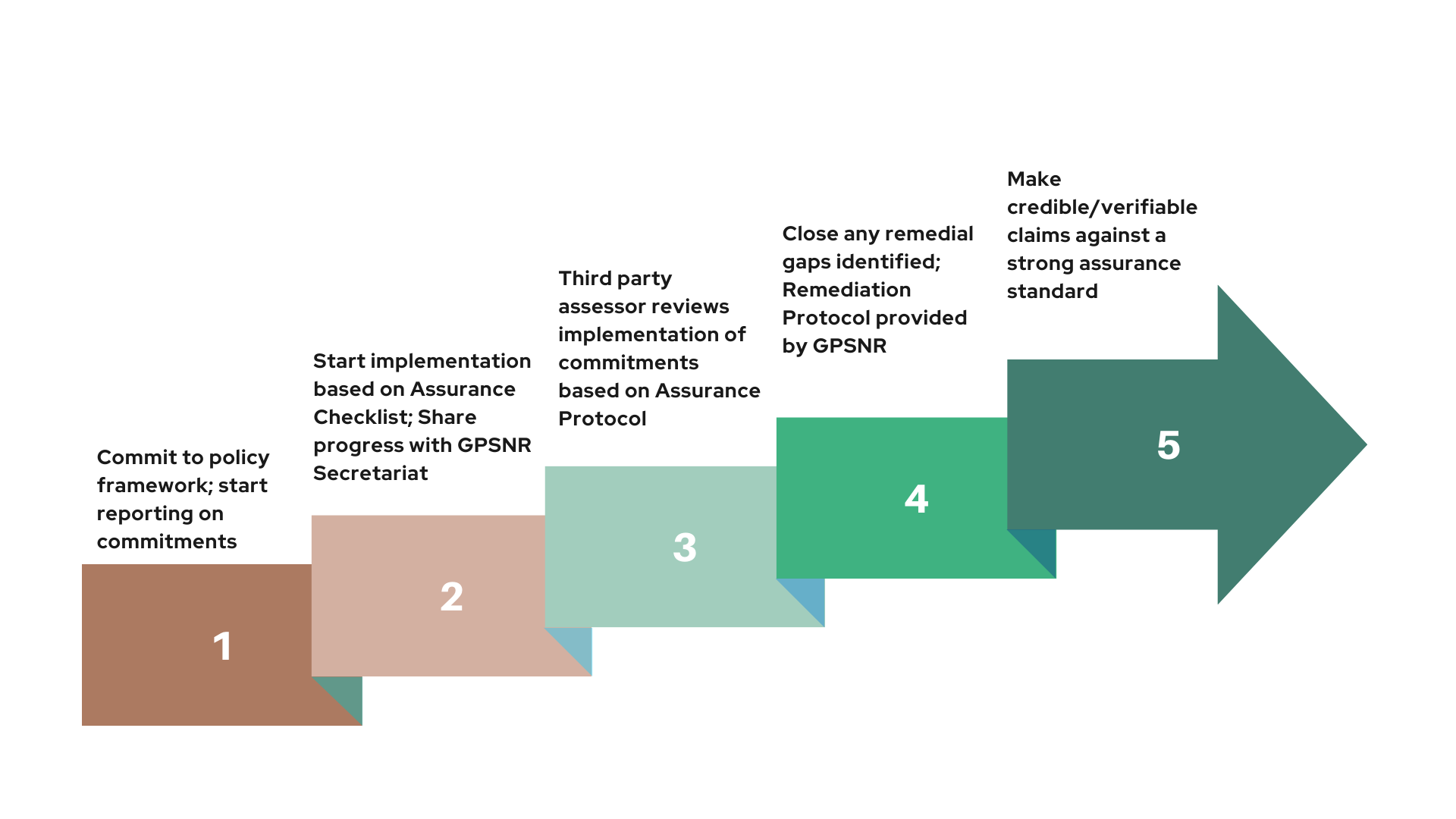
This working group has completed the initial reviews of two significant aspects of the GPSNR assurance model: the Implementation Guidance and the Reporting Requirements. The WG will also embark on a review of the Compliance Panel Guidance in August. As they take each of these bodies of work forward in the next few months, please reach out to the secretariat for any questions around these documents and how they impact your work.
Capacity Building Working Group
The group rolled out a call for funding from all rubber industry players (both GPSNR members and non-members) for capacity building work in Indonesia, Thailand and Ivory Coast, while also finalising BMZ funding for projects in Indonesia and Ivory Coast in 2021-22.
In the next month or so, the group is working on identifying suitable locations for capacity building programmes in Indonesia across five key rubber-producing regions, and advancing implementation plans for Ivory Coast.
They are also finalising Good Agricultural Practices, developing systems for monitoring and evaluating capacity building activities and putting mechanisms in place to ensure national implementation subgroups remain aligned with GPSNR.
Traceability and Transparency Working Group
This working group is currently finalising the definition and acceptable levels of traceability for GPSNR and developing data collection and reporting standards together with the Policy Toolbox working group.
Shared Responsibility Working Group
The group is drafting activities and framework for Shared Responsibility for integration into other processes such as the Implementation Guidance.