Smallholders Representation Working Group Update – November 2019
Strong, sustainable supply chains can only be achieved if the most fragile player, smallholders, are empowered. The definition of ‘smallholders’ together with engagement guideline is being finalized with the aim to have a new ordinary membership category that would allow smallholders to express their views, ideas and concerns to the other international players within GPSNR.
Share This Post
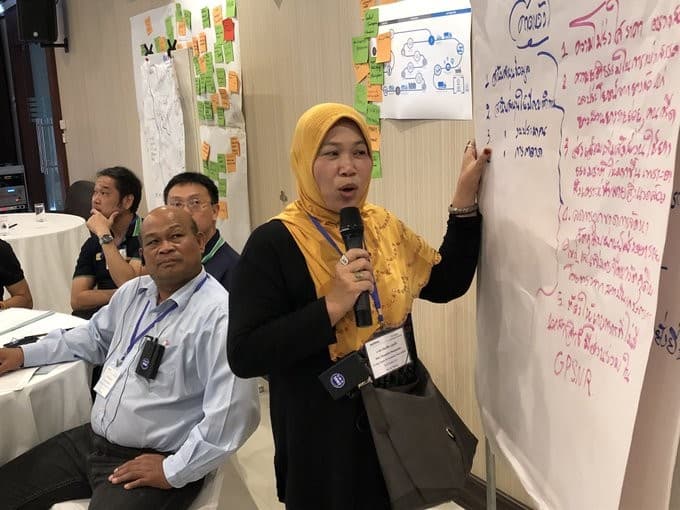
With the input from the workshop in Indonesia, Thailand, Brazil (and soon Cote d’Ivoire and Vietnam), the smallholders representation working group is finalizing the definition of ‘smallholders’ which will be needed to open up a new category of membership. Recognizing the experience and effort that IRSG/SNRi had already invested in this work, Smallholders Representation Working Group invited IRSG to discuss the definition of ‘smallholders’.
While many countries have their own definition of ‘smallholders’ based on the size of their land, the Smallholders representation Working Group agreed other characteristics of smallholders (such as income provenance, level of dependency on family labour, economic constraints, etc) should also be considered.
As the definition of ‘smallholders’ are affiliated to the work scope Strategy 2 – Capacity Building Working Group, the Smallholders Representation Working Group members are working closely with Strategy 2 – Capacity Building Working Group members to ensure that there is alignment in definition between smallholders in the natural rubber supply chain and smallholders that will become GPSNR member.
In the meantime, a successful third workshop in Brazil concluded this week, with a series of learnings for GPSNR on the organisation of farmers in the region, and their expectations from the future collaboration with the Platform. The workshop also achieved good progress on the identification of potential candidates for membership in GPSNR, both by single farmers and producers associations.
As I stood in the rubber processing factory of Halcyon Agri, the burnt smell of rubber and the deafening thumping of the machines assuaging my senses, I couldn’t help but reflect on the remarkable turn my life had taken in the past two years.
In 2023, I traded my scrubs, the fast-paced emergency cases and the quintessential chaos of veterinary clinics to join the Global Platform for Sustainable Natural Rubber (GPSNR) as a Communications and Membership Outreach Associate. As the smell, heat, and sheer scale of operations of Halcyon’s processing plant continued to burn an imprint on my mind, it made me realise the transition to GPSNR has been grounding me in a reality far removed from any veterinary clinic.
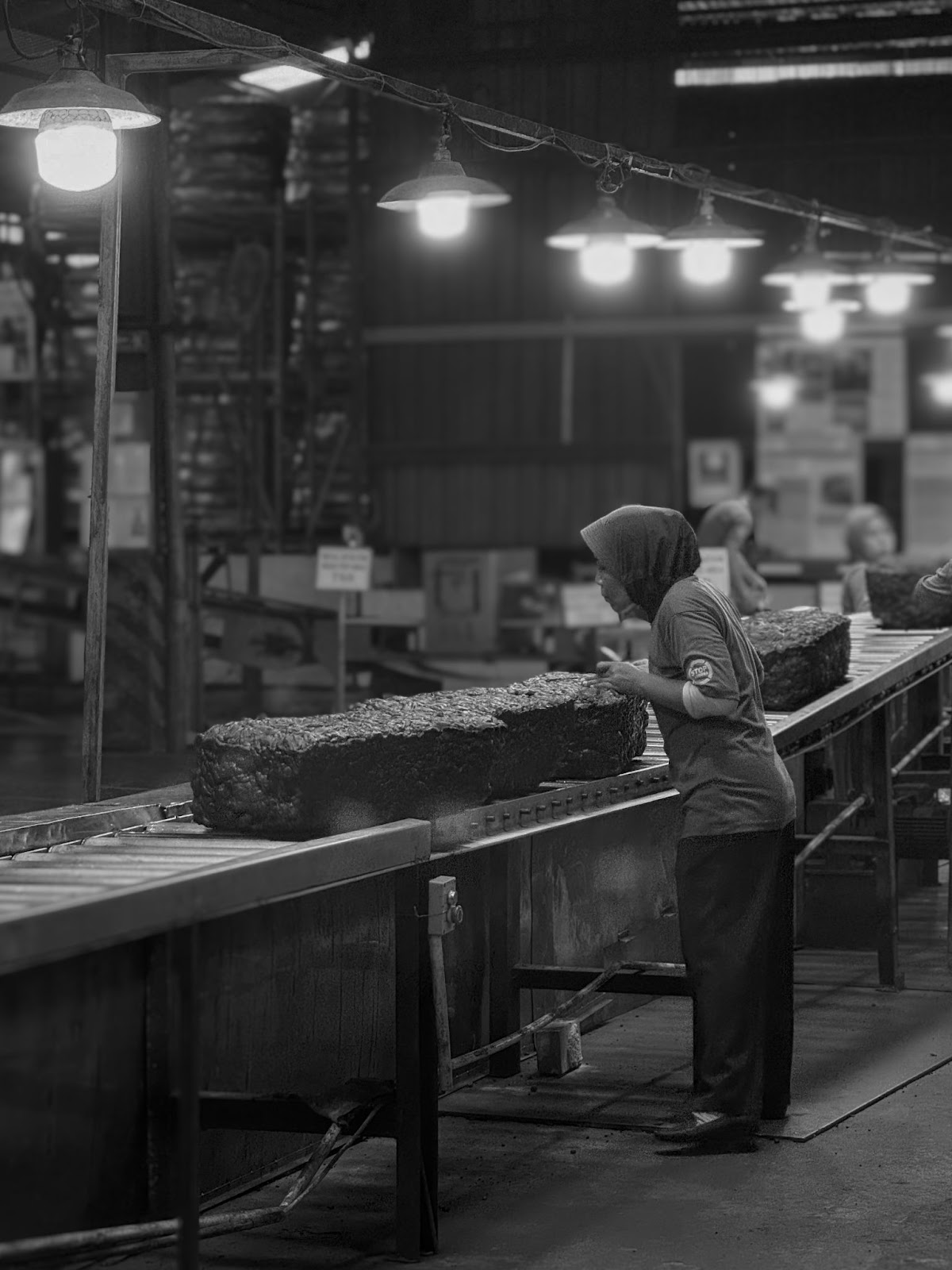
A worker performs quality control, carefully removing foreign pieces from compacted rubber before it gets packaged
In the veterinary field, where precision and care are everything, from diagnosing a complex case or suturing a wound, every action demands meticulousness. At the plant, while the scale and context were vastly different, the underlying principle remained unchanged. Every stage of rubber processing, from chopping the raw material into finer pieces to washing, drying, and packaging, played a critical role in meeting the exacting standards of tyre manufacturers.
As I observed the Halcyon team navigating the plant with practised ease, I couldn’t help but draw parallels between my two worlds. Just as a misstep in surgery could mean life or death, inefficiencies in the supply chain could have far-reaching consequences for sustainability and livelihoods.
The factory floor reminded me that the path to sustainability is not linear. It’s a series of interconnected actions, each requiring deliberate effort and foresight. From supporting smallholder farmers to refining processing methods, every step in the rubber supply chain offers an opportunity to make an impact.
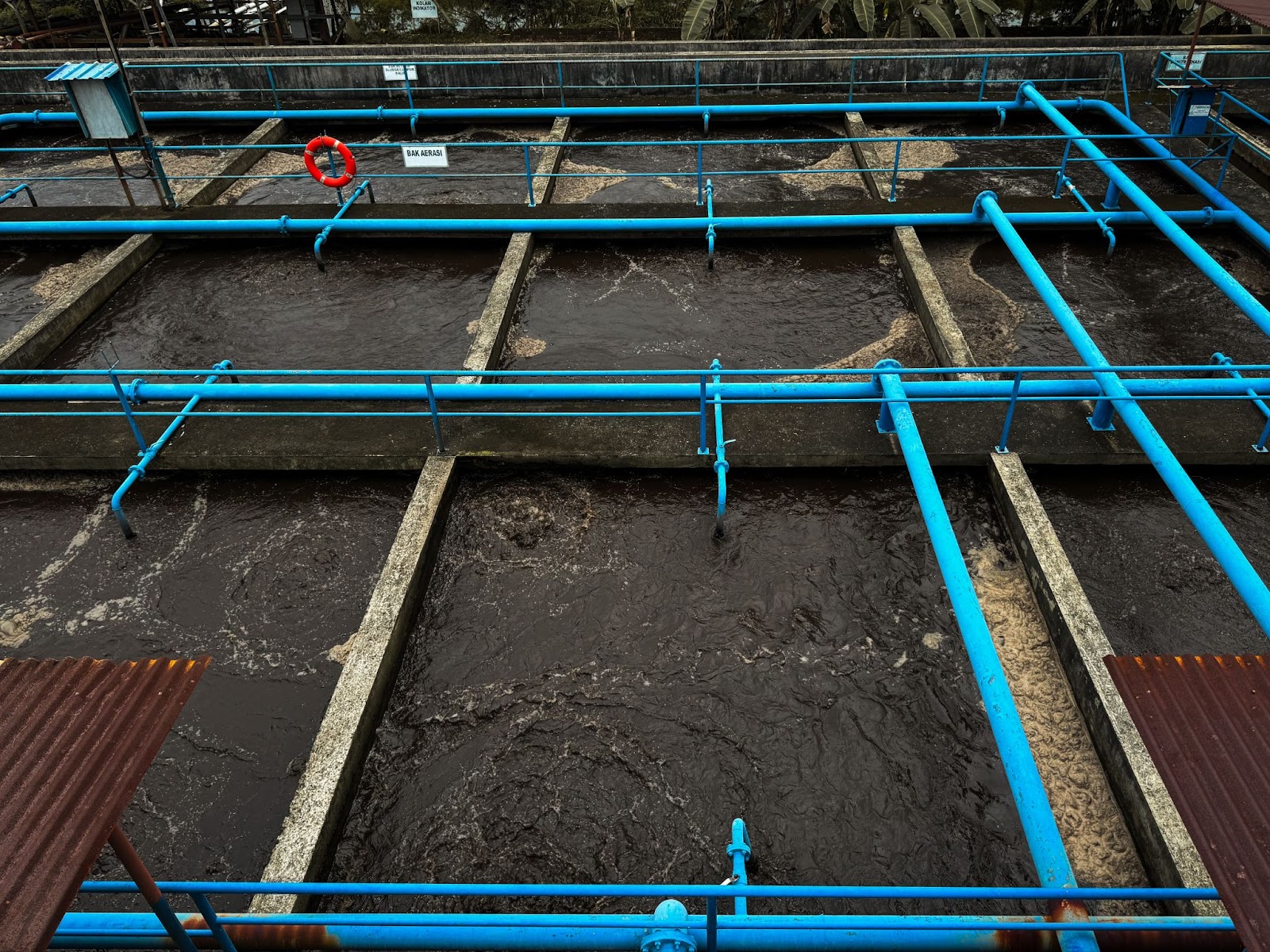
Water treatment facility located in Halcyon Agri
This interconnectedness is also reflected in how Halcyon manages its most essential resource: water. Any water used to wash the rubber is filtered, treated, and reused, creating a closed-loop system that minimises waste. This approach exemplifies the idea that sustainability is not about isolated actions but about fostering a system where resources flow and regenerate, much like nature itself. It’s a reminder that every step, no matter how small, contributes to a larger ecosystem of care and responsibility.
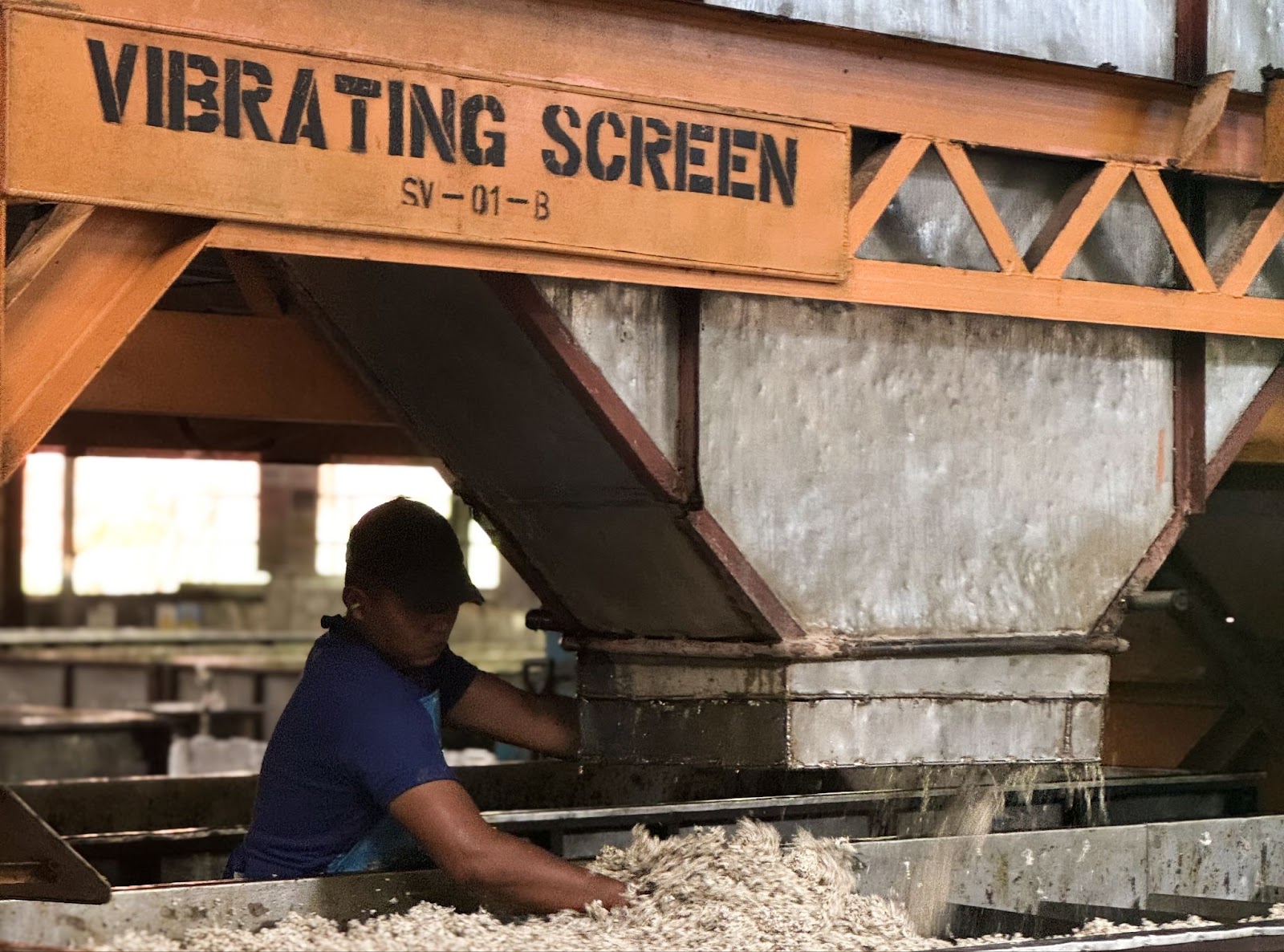
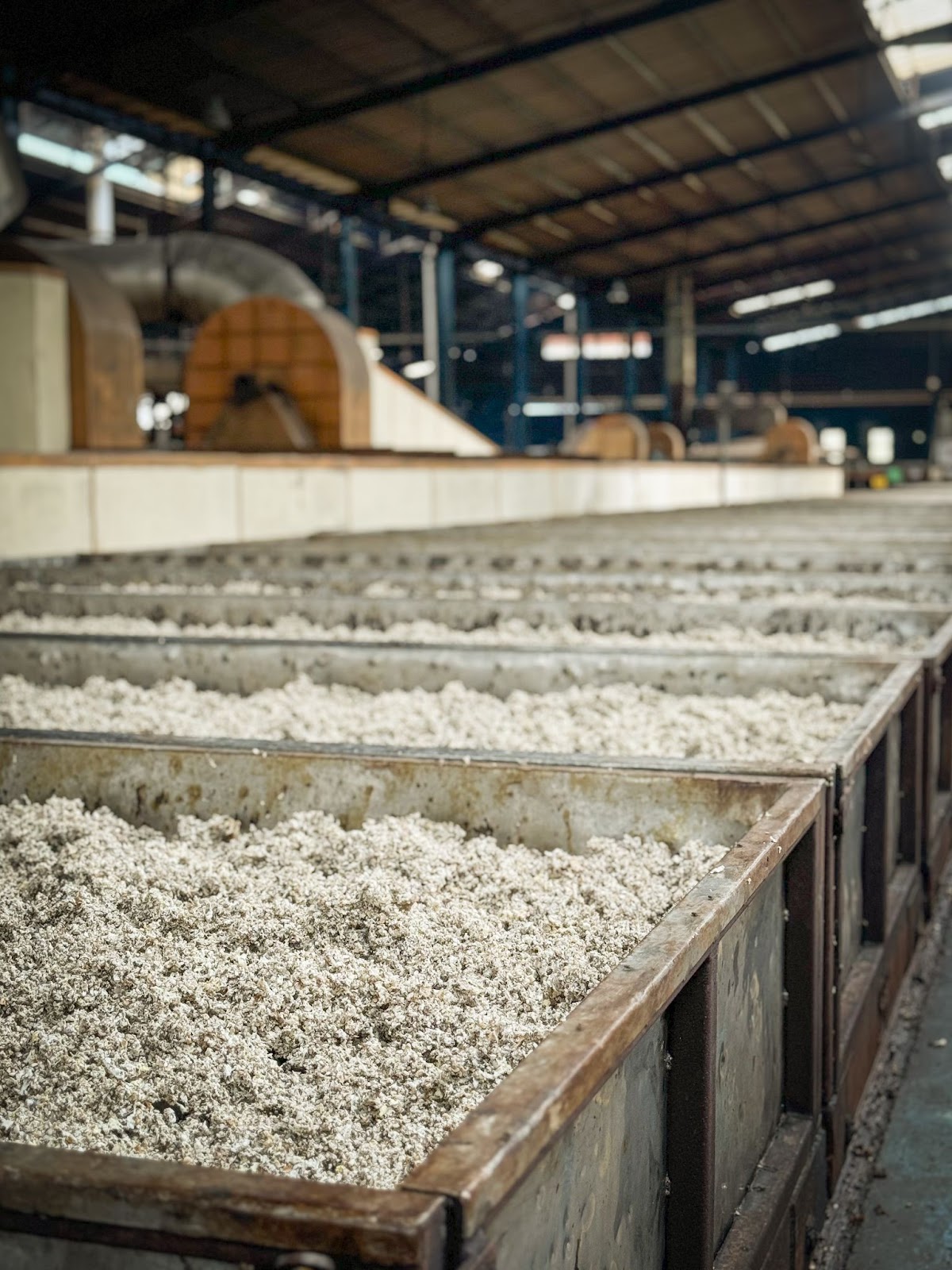
Chopped rubber before drying
This experience reinforced an essential truth for me: no matter the industry, meaningful change requires collaboration, innovation, and a willingness to learn. It also reminded me that stepping out of my comfort zone was not just a career move but a personal growth journey.
The journey from scrubs to sustainability has been anything but straightforward, yet it’s filled with lessons that resonate deeply. Whether it’s the precision of factory operations or the broader mission of creating a sustainable future, the experience at Halcyon’s processing plant reminded me why I chose this path.
The smell of processed rubber may fade from my memory, but the lessons learned here will stay with me. Sustainability, much like veterinary care, is about ensuring a thriving future, one step at a time.
The 2nd General Assembly (GA) of the Global Platform for Sustainable Natural Rubber (GPSNR) will be convened on 23 September 2020. Given the exceptional circumstances surrounding the COVID-19 crisis, the decision has been made to hold the GA virtually.
In making this decision, the GPSNR Executive Committee (EC) considered the importance of the issues that require a vote from GPSNR members, the impacts and consequences of a further postponement of the GA, as well as the current global situation resulting from the COVID-19 pandemic. The EC felt that a GA held online would meet both criteria of ensuring the safety and comfort of GPSNR members while moving forward the effort of the Working Groups in achieving the Platform’s strategic outcomes.
The GA will take place online, with the voting process also conducted electronically. In lieu of face-to-face member engagements, a series of webinars will be organized to prepare members for the GA.
All members are reminded to submit to the Secretariat their proposed resolutions and/ or nominations for election to the Executive Committee no later than 1 August 2020.