

From Scrubs to Sustainability

Share This Post


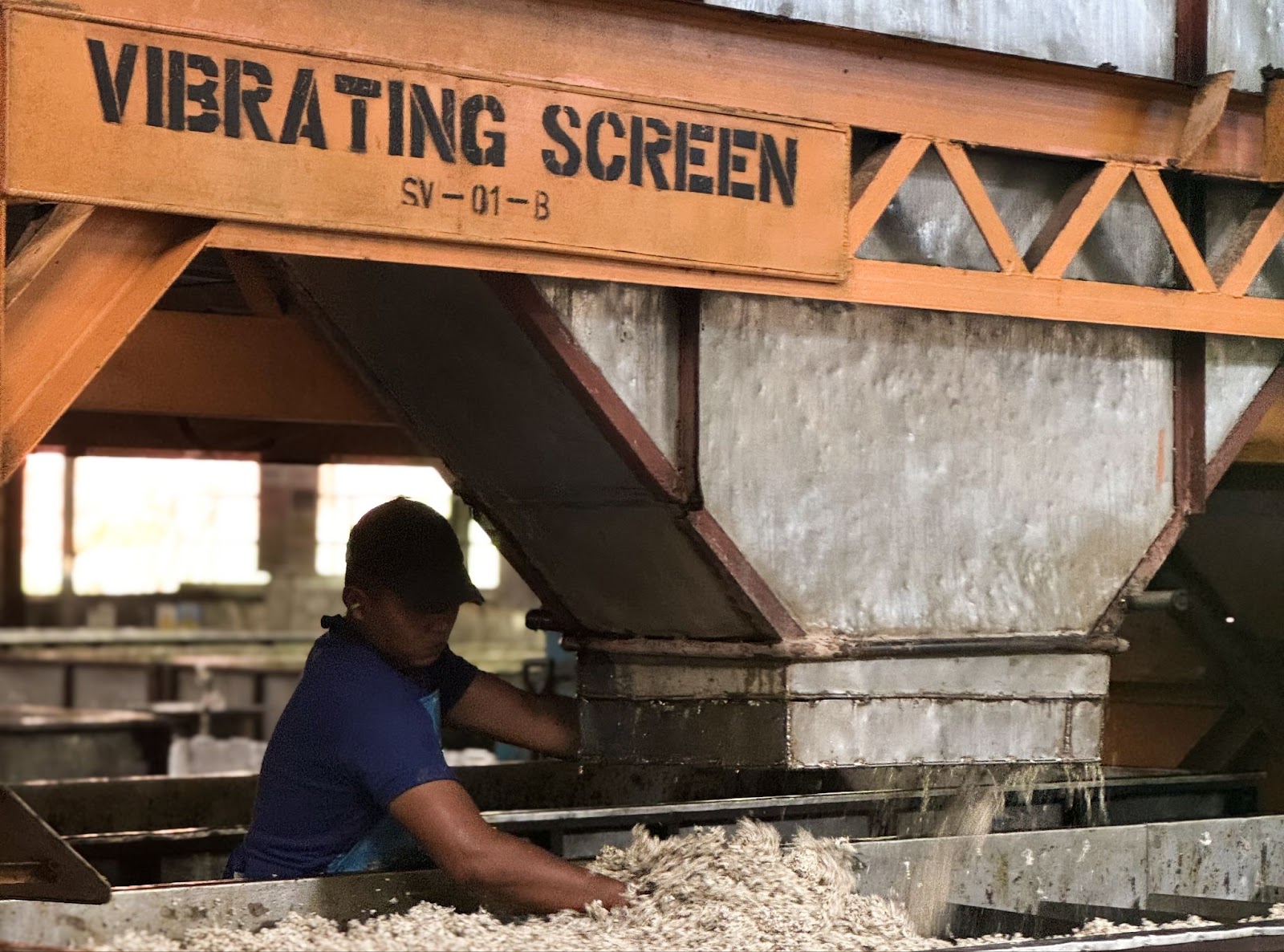
As I stood in the rubber processing factory of Halcyon Agri, the burnt smell of rubber and the deafening thumping of the machines assuaging my senses, I couldn’t help but reflect on the remarkable turn my life had taken in the past two years. 


In 2023, I traded my scrubs, the fast-paced emergency cases and the quintessential chaos of veterinary clinics to join the Global Platform for Sustainable Natural Rubber (GPSNR) as a Communications and Membership Outreach Associate. As the smell, heat, and sheer scale of operations of Halcyon’s processing plant continued to burn an imprint on my mind, it made me realise the transition to GPSNR has been grounding me in a reality far removed from any veterinary clinic.
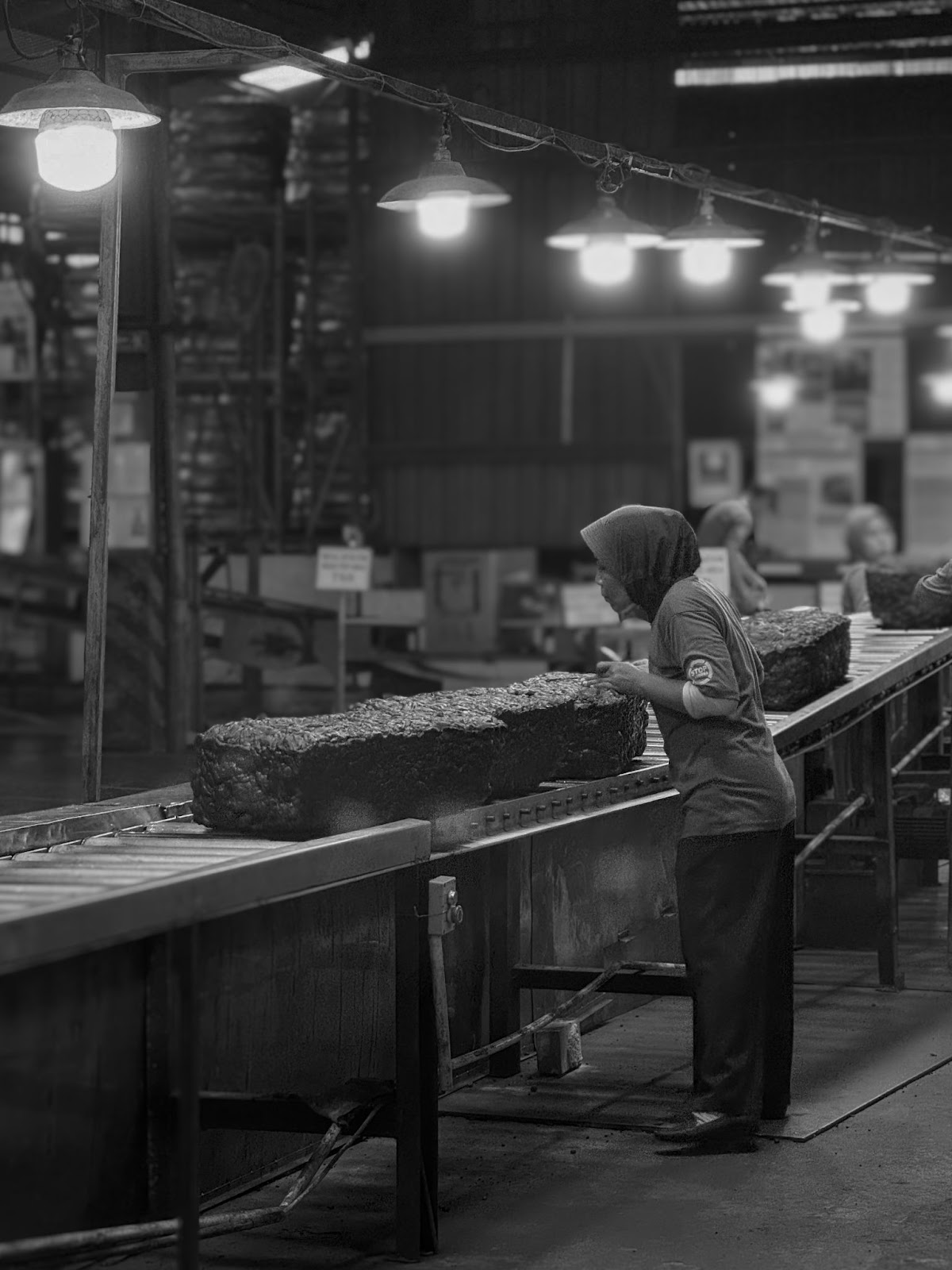
 

A worker performs quality control, carefully removing foreign pieces from compacted rubber before it gets packaged

In the veterinary field, where precision and care are everything, from diagnosing a complex case or suturing a wound, every action demands meticulousness. At the plant, while the scale and context were vastly different, the underlying principle remained unchanged. Every stage of rubber processing, from chopping the raw material into finer pieces to washing, drying, and packaging, played a critical role in meeting the exacting standards of tyre manufacturers. 


As I observed the Halcyon team navigating the plant with practised ease, I couldn’t help but draw parallels between my two worlds. Just as a misstep in surgery could mean life or death, inefficiencies in the supply chain could have far-reaching consequences for sustainability and livelihoods.


The factory floor reminded me that the path to sustainability is not linear. It’s a series of interconnected actions, each requiring deliberate effort and foresight. From supporting smallholder farmers to refining processing methods, every step in the rubber supply chain offers an opportunity to make an impact.
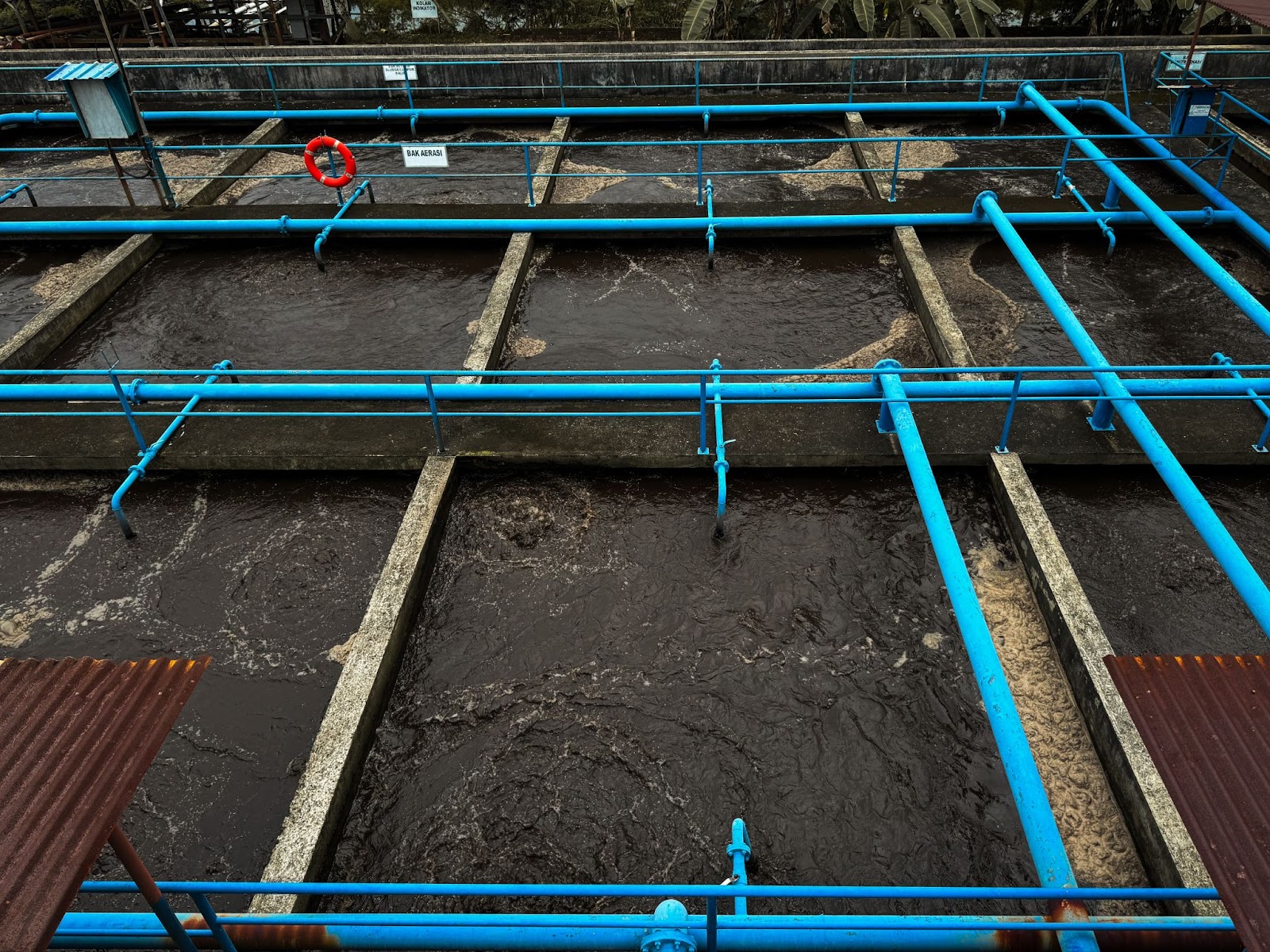
 

Water treatment facility located in Halcyon Agri


This interconnectedness is also reflected in how Halcyon manages its most essential resource: water. Any water used to wash the rubber is filtered, treated, and reused, creating a closed-loop system that minimises waste. This approach exemplifies the idea that sustainability is not about isolated actions but about fostering a system where resources flow and regenerate, much like nature itself. It’s a reminder that every step, no matter how small, contributes to a larger ecosystem of care and responsibility.
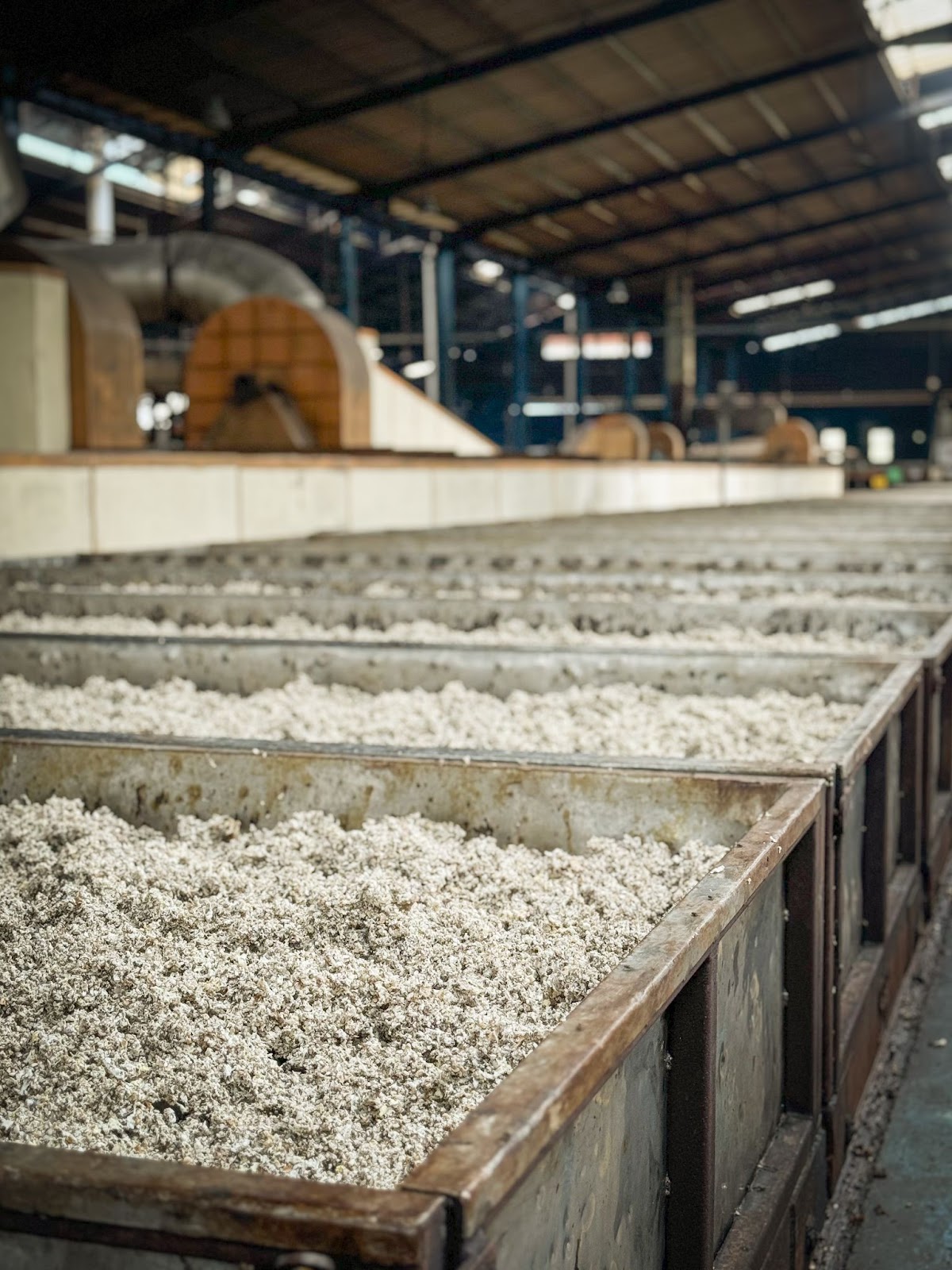
 

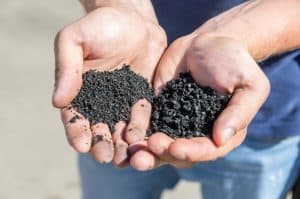
Chopped rubber before drying

This experience reinforced an essential truth for me: no matter the industry, meaningful change requires collaboration, innovation, and a willingness to learn. It also reminded me that stepping out of my comfort zone was not just a career move but a personal growth journey.


The journey from scrubs to sustainability has been anything but straightforward, yet it’s filled with lessons that resonate deeply. Whether it’s the precision of factory operations or the broader mission of creating a sustainable future, the experience at Halcyon’s processing plant reminded me why I chose this path.


The smell of processed rubber may fade from my memory, but the lessons learned here will stay with me. Sustainability, much like veterinary care, is about ensuring a thriving future, one step at a time.

 

More To Explore

News

Secretariat Update – February 2020

On Friday 7 February, Singapore announced that it was stepping up its risk assessment level. Previously at ‘Yellow’ on the Disease Outbreak Response System Condition (DORSCON) scale, the country is now at ‘Orange’. This change triggered additional precautionary measures such as an advice to cancel or defer all non-essential large-scale events. More countries are also putting in place such measures, from enforced quarantine for certain travelers to outright travel restrictions.

The safety and comfort of all members remains our utmost priority. The Secretariat will continue to monitor the situation closely, with the intention to hold the General Assembly once it becomes more stable. The new date for the General Assembly will be in 2020, and will be communicated with due notice to all members. 

During this time, all Working Groups will continue to advance their work in establishing a policy toolbox, shaping capacity building initiatives, achieving transparency and traceability, and solidifying smallholder inclusivity in GPSNR. 

The GPSNR Executive Committee has agreed to extend the deadline for submission of General Assembly resolutions and Executive Committee nominations to Tuesday, 31 March 2020.

For the latest updates on the progress of our Working Groups, please refer to the News and Publications section of our website.

Members

Member Consultation on proposed GPSNR Policy Components and Baseline Reporting Requirements (Members Version)

Natural rubber faces a similar set of environmental, social and economic issues as other agricultural commodities such as palm oil, but the spotlight on sustainability has only been recently turned towards this key raw material, 70% of which goes into tire production. The launch of GPSNR marked a significant step towards developing sustainable standards for natural rubber, with member organizations making a commitment to 12 Sustainable Natural Rubber Principles

The Policy Toolbox Working Group was established to develop a guiding framework for GPSNR members to implement policies and practices that align with the 12 Principles. Two key documents, the Policy Components and Baseline Reporting Requirements, have emerged after a year of discussion and drafting. 

The Policy Components outline specific commitments that GPSNR company members should include in their sustainable natural rubber policies, while the Baseline Reporting Requirements indicate qualitative and quantitative sustainability data to be reported to the Secretariat for the first year of reporting. 

A members webinar was held on 16 June, where the Co-Chairs of the Policy Toolbox Working Group explained the purpose, process and next steps surrounding the two documents. 

Several members have volunteered to participate in an ongoing pilot testing of the Baseline Reporting Requirements. The goal of the pilot is to refine and finalize the Baseline Reporting Requirements based on company feedback.

The proposed Policy Components and Baseline Reporting Requirements are now open for member consultation until 3 July 2020.

All GPSNR members are invited to download the draft documents from the links below and submit your feedback by accessing this link.

Additionally, you may view the recording and slide deck of the 16 June webinar from the links below.

Download Policy Components 

Download Baseline Reporting Requirements

View 16 June webinar recording

View 16 June webinar slide deck

Scroll to Top