
PUBLIC CONSULTATION: GPSNR’s Assurance Model

Share This Post

To develop and implement an assurance system that will support GPSNR in demonstrating its long-term positive impact on the natural rubber industry and help GPSNR members companies validate their sustainability claims and commitments, GPSNR is conducting a 60 day public consultation from 1 May to 30 June 2024 on the three of the four mandatory elements of its Assurance Model. This includes the Assurance Assessment Checklist, Assurance Protocol, and Remediation Protocol. The Assurance Assessment Checklist captures the themes and minimum requirements that were previously discussed during the platform’s in-person meetings in February 2024. The Members Journey Model (MJM) can be found here, the MJM has already been developed and is being put forward for vote at the upcoming Extraordinary General Assembly. The Members Journey Model outlines the development path that members are expected to take once they join GPSNR.
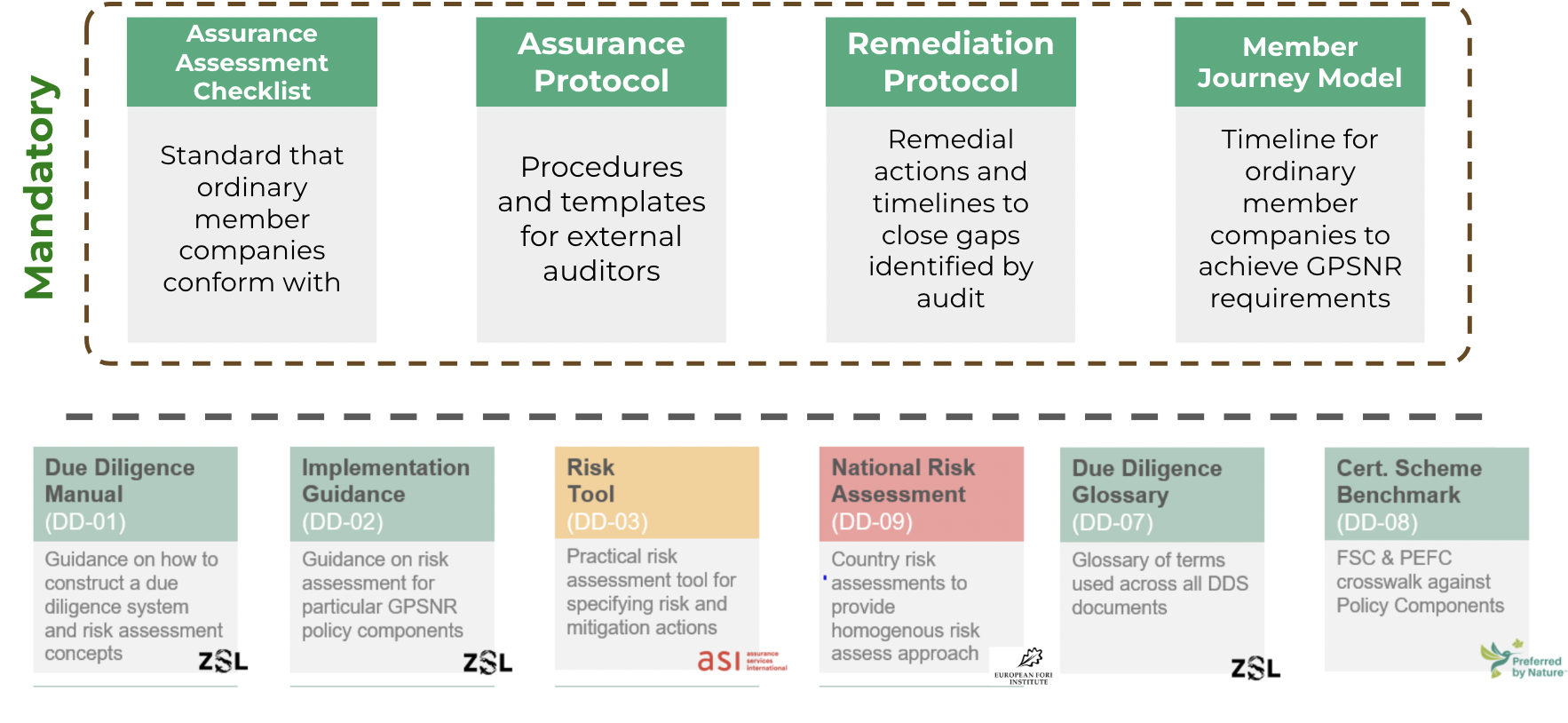


GPSNR Assurance Model Structure (pending Extraordinary General Assembly vote)


After the consultation, the GPSNR Secretariat will review the comments from this public consultation, feedback from the GPSNR in-person meetings in June, and the learnings from the Assurance Model pilots which will be ongoing till July 31st and make necessary changes. A second 30-day consultation will be conducted after the documents have been revised in Q3 of 2024.


Any feedback on the documents should be added to this file by 30 June 2024.

 

Document Name

Link 

Feedback Link 

Assurance Assessment Checklist 

Linked here

See here

Assurance Protocol 

Linked here

Remediation Protocol 

Linked here

More To Explore

News

Maintaining Alignment in GPSNR’s Strategic Outlook

As the mid-year mark approaches, our Working Groups continue to make progress in their respective areas of focus. In spite of the setbacks brought about by the COVID-19 pandemic, group calls and discussions remain as scheduled, with every intention to have deliverables ready for approval or presentation at the General Assembly 2020.

Final text for the proposed policy components and baseline reporting requirements, developed by the Policy Toolbox Working Group, have been proposed. The documents are being circulated for approval within the Working Group before being submitted to the Executive Committee. A pilot testing phase for the reporting requirements will be launched shortly after. More details on this will be released soon.

Along with the finalization of the Terms of References for the two pilot proposals, the Traceability and Transparency Working Group is also developing a budget and timeline for these pilot proposals, to be submitted to the Executive Committee for approval.   

While there have been efforts between Working Groups revolving around calibration and aligning, the importance of alignment with all Working Groups is increasingly being recognized as important. Moving forward, the Strategy and Objectives Working Group will undertake a more coordinating role. This will see a Platform-wide effort to directly engage and align with the other Working Groups  to better bring forward their strategies into the Theory of Change, understand their project plans and how to interact, and bring together input from all the Working Groups to support the development of Platform Key Performance Indicators (KPIs).

Within the Strategy and Objectives Working Group itself, work on filling out the Theory of Change continues. The Working Group is also liaising closely with consultant James Griffiths on his study on social risks following the presentation of a first draft to the Working Group for review.

News

Embracing our Shared Responsibility: GPSNR’s newest Working Group

Before the second General Assembly on 23 September 2020, the GPSNR Executive Committee had approved the creation of a Shared Responsibility Working Group that would be tasked to define the principles of shared responsibility for GPSNR.

The term ‘shared responsibility’ is relatively new to the sustainability scene, and as such, there is currently no commonly accepted definition for it. In general, shared responsibility is a value-driven concept which recognizes that supply chains are structurally imbalanced in terms of value and benefit, risk, burden of compliance, climate change impacts, power of negotiation, and access to information and resources. A shared responsibility approach strives for value, benefits, risks and improvement investments to be equitably distributed across all actors within the supply chain.​

In order to establish the foundational work that would enable the creation of the Shared Responsibility Working Group, the Executive Committee formed a Task Force comprising several of its members. Over a series of weekly calls, the Task Force has developed a Terms of Reference (ToR) and a set of Guiding Principles to inform the work of the new Shared Responsibility Working Group.

It is envisioned that the Shared Responsibility Working Group will draw from the Guiding Principles for Shared Responsibility (currently being developed by the Executive Committee’s Shared Responsibility Task Force), as well as the GPSNR Equity Definition and the studies launched by the Equity Working Group, to develop an implementation framework for the platform with respect to shared responsibility.

Scroll to Top