
From Scrubs to Sustainability

Share This Post


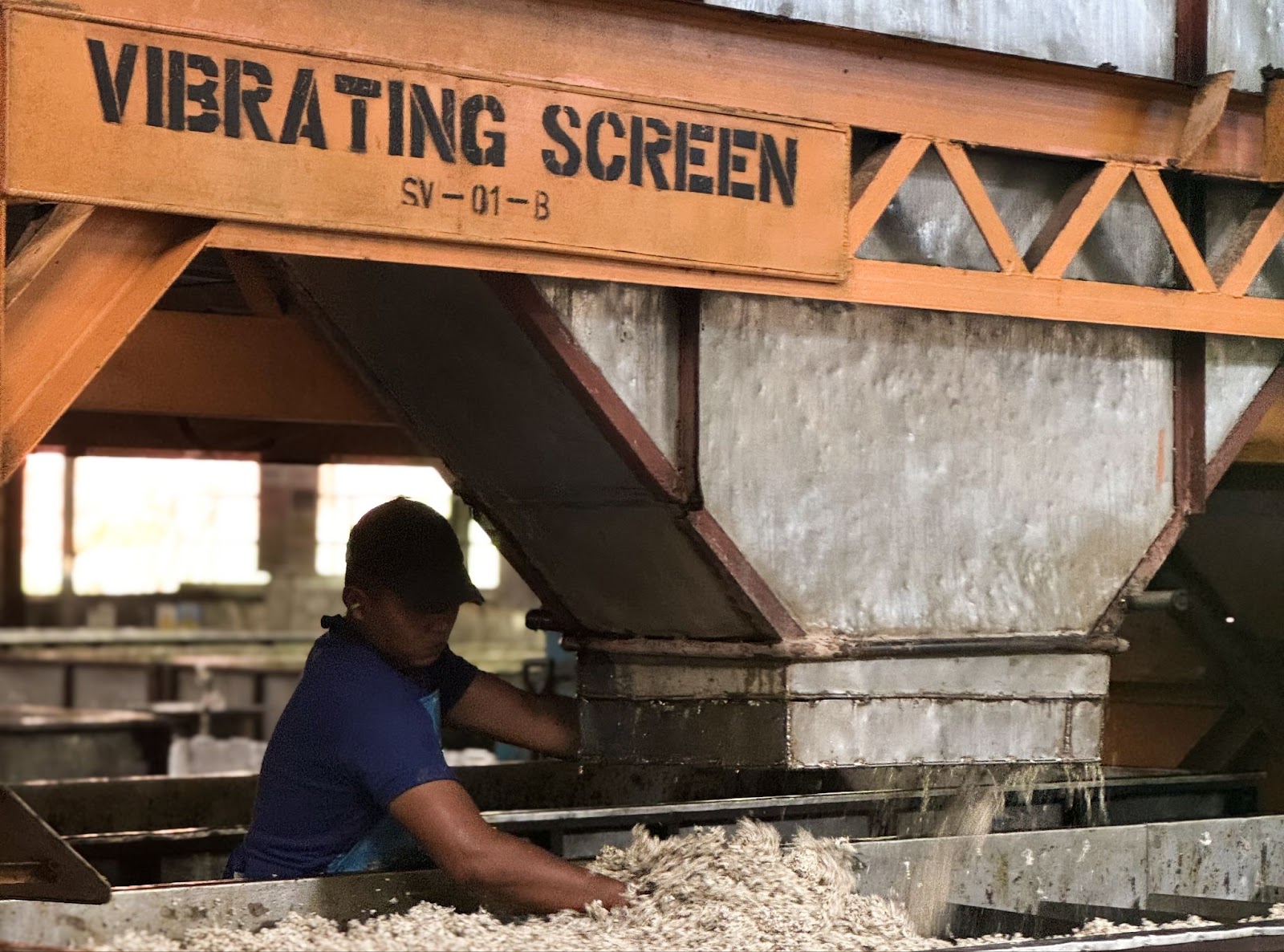
As I stood in the rubber processing factory of Halcyon Agri, the burnt smell of rubber and the deafening thumping of the machines assuaging my senses, I couldn’t help but reflect on the remarkable turn my life had taken in the past two years. 


In 2023, I traded my scrubs, the fast-paced emergency cases and the quintessential chaos of veterinary clinics to join the Global Platform for Sustainable Natural Rubber (GPSNR) as a Communications and Membership Outreach Associate. As the smell, heat, and sheer scale of operations of Halcyon’s processing plant continued to burn an imprint on my mind, it made me realise the transition to GPSNR has been grounding me in a reality far removed from any veterinary clinic.
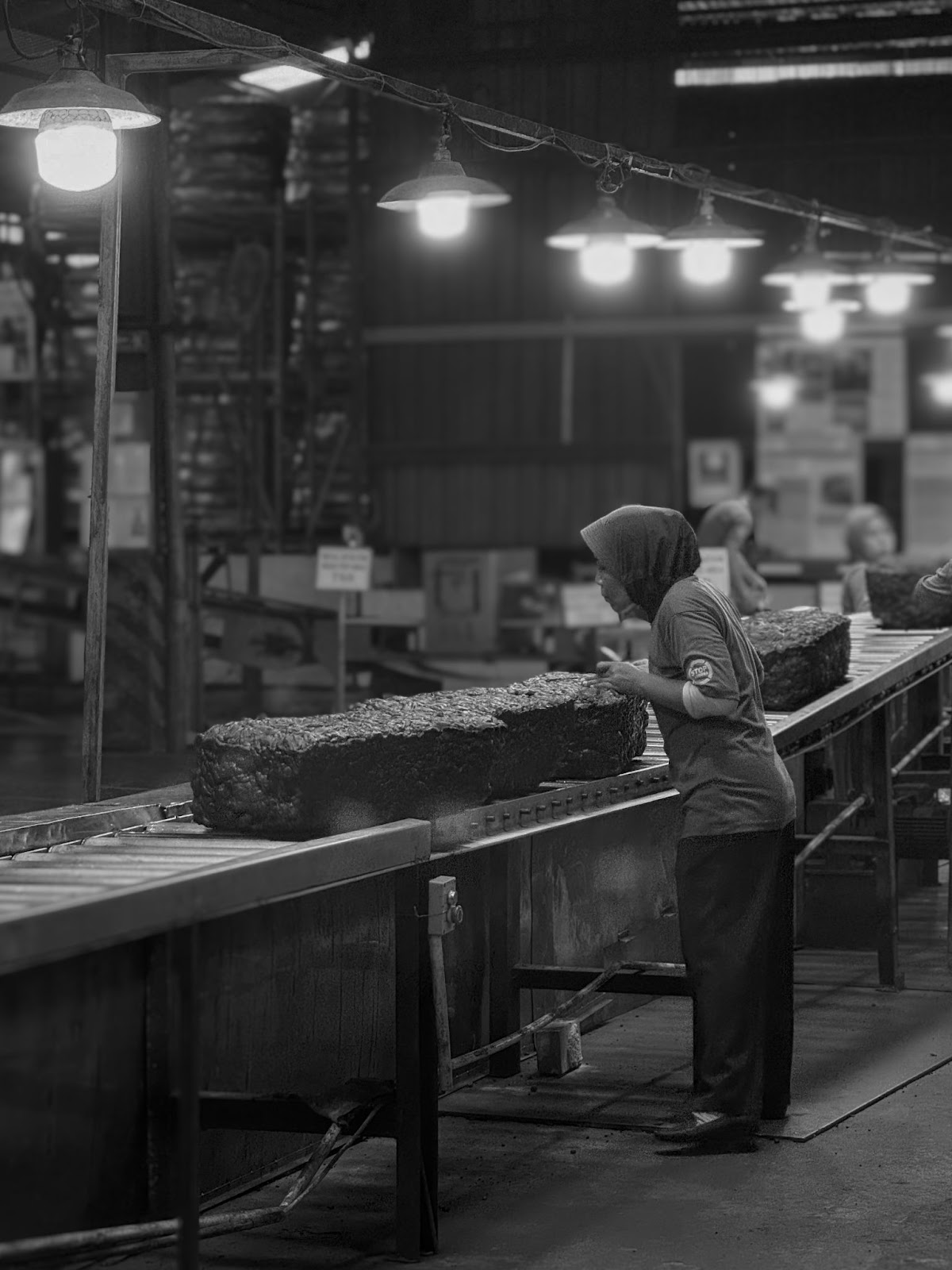
 

A worker performs quality control, carefully removing foreign pieces from compacted rubber before it gets packaged

In the veterinary field, where precision and care are everything, from diagnosing a complex case or suturing a wound, every action demands meticulousness. At the plant, while the scale and context were vastly different, the underlying principle remained unchanged. Every stage of rubber processing, from chopping the raw material into finer pieces to washing, drying, and packaging, played a critical role in meeting the exacting standards of tyre manufacturers. 


As I observed the Halcyon team navigating the plant with practised ease, I couldn’t help but draw parallels between my two worlds. Just as a misstep in surgery could mean life or death, inefficiencies in the supply chain could have far-reaching consequences for sustainability and livelihoods.


The factory floor reminded me that the path to sustainability is not linear. It’s a series of interconnected actions, each requiring deliberate effort and foresight. From supporting smallholder farmers to refining processing methods, every step in the rubber supply chain offers an opportunity to make an impact.
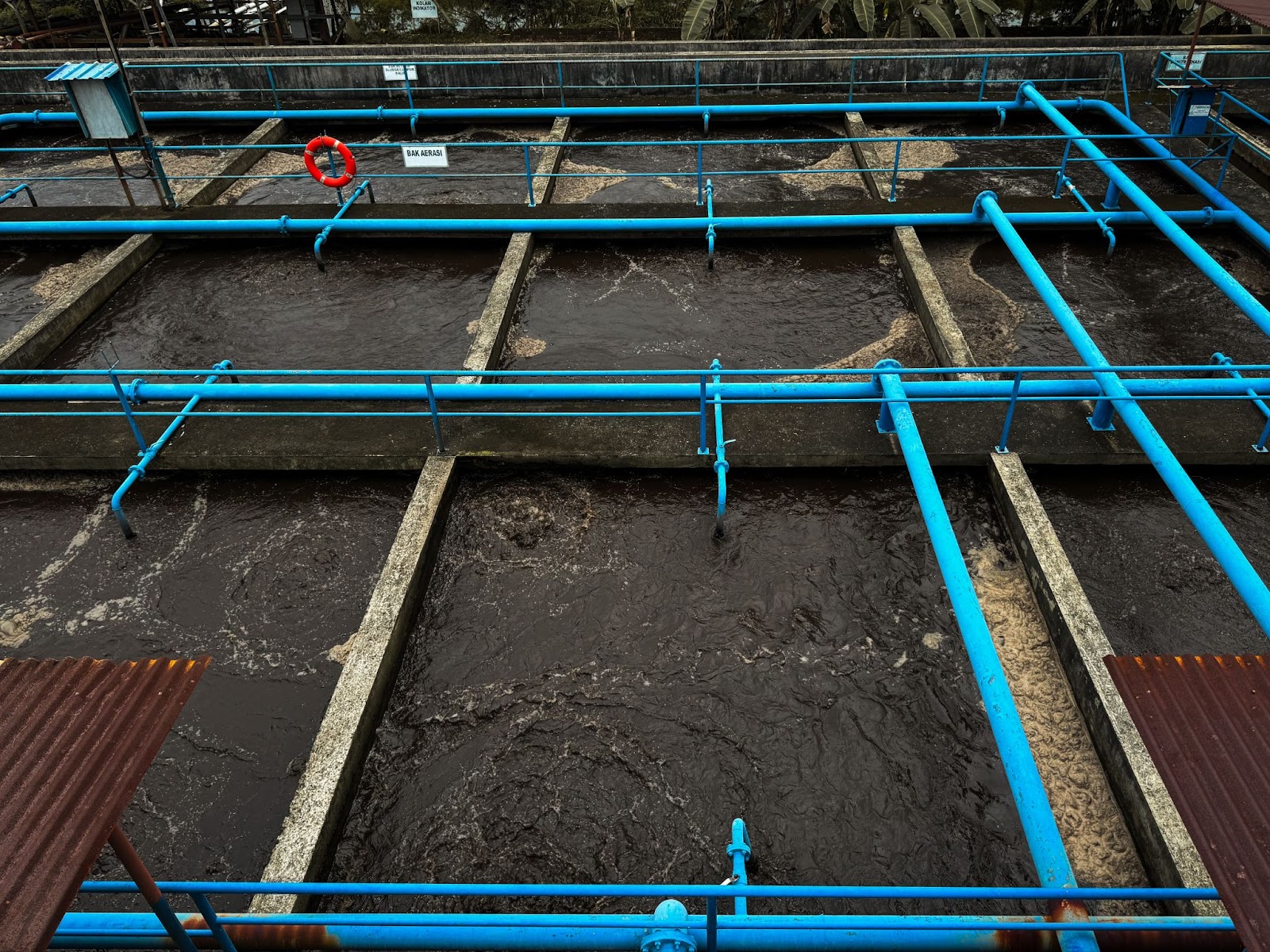
 

Water treatment facility located in Halcyon Agri


This interconnectedness is also reflected in how Halcyon manages its most essential resource: water. Any water used to wash the rubber is filtered, treated, and reused, creating a closed-loop system that minimises waste. This approach exemplifies the idea that sustainability is not about isolated actions but about fostering a system where resources flow and regenerate, much like nature itself. It’s a reminder that every step, no matter how small, contributes to a larger ecosystem of care and responsibility.
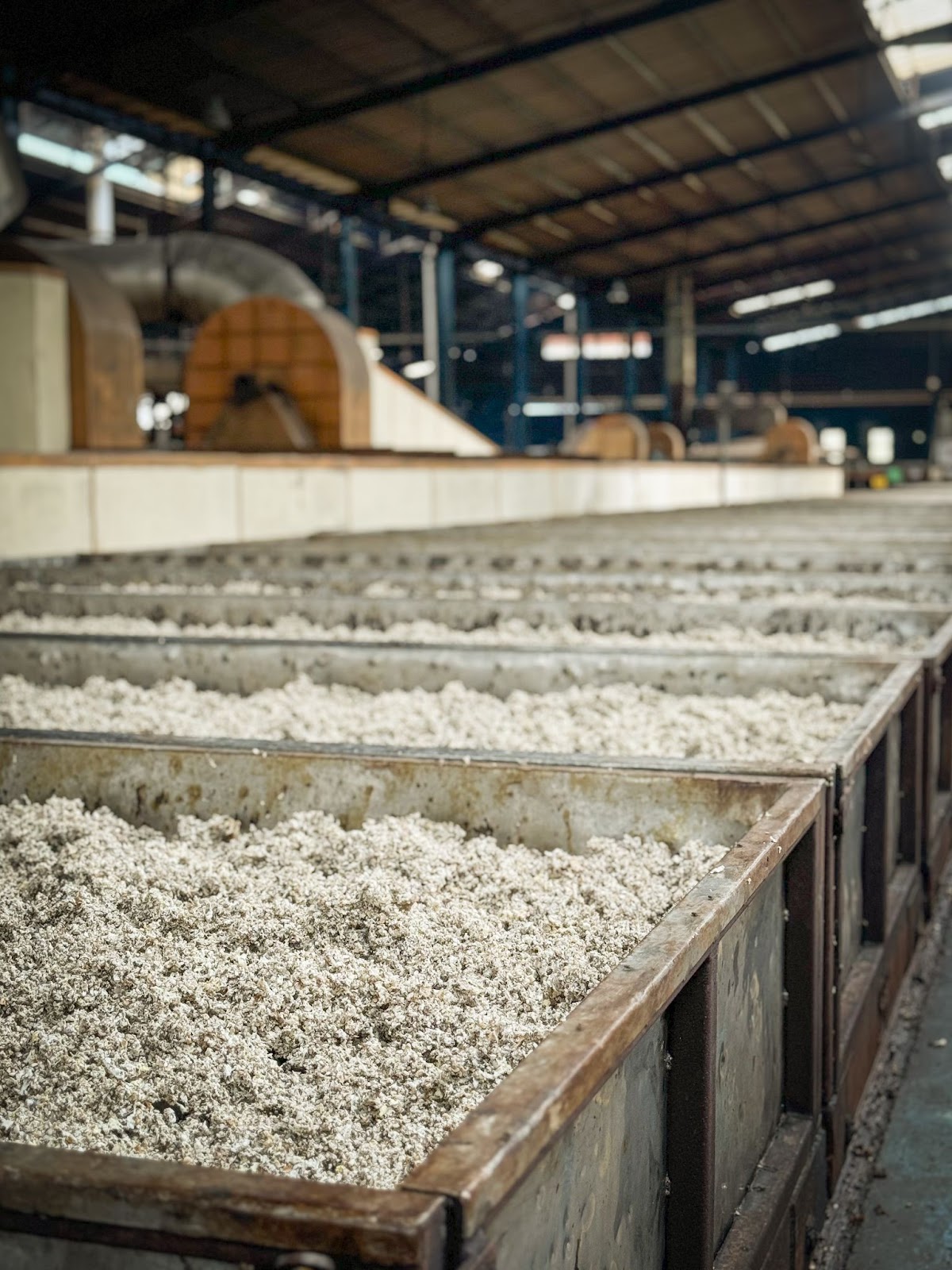
 

Chopped rubber before drying

This experience reinforced an essential truth for me: no matter the industry, meaningful change requires collaboration, innovation, and a willingness to learn. It also reminded me that stepping out of my comfort zone was not just a career move but a personal growth journey.


The journey from scrubs to sustainability has been anything but straightforward, yet it’s filled with lessons that resonate deeply. Whether it’s the precision of factory operations or the broader mission of creating a sustainable future, the experience at Halcyon’s processing plant reminded me why I chose this path.


The smell of processed rubber may fade from my memory, but the lessons learned here will stay with me. Sustainability, much like veterinary care, is about ensuring a thriving future, one step at a time.

 

More To Explore

News

Smallholders Representation Working Group Update – January 2020

Of the 22 applicants, one is from Brazil, four from Côte d’Ivoire, two from Ghana, five are from Indonesia, four from Thailand and six are from Vietnam.

The 2nd General Assembly on 31 March 2020 will see the proposal of a new membership category, ‘Smallholder Producers’. Should the voting on this resolution pass, smallholders will officially find their voice in global efforts to ensure a socially, economically and environmentally sound natural rubber supply chain.

Thanks to sustained funding from Partnerships for Forests (P4F), we will be able to invite the geographically diverse group of smallholders to Singapore to attend their first General Assembly, with the view to onboard them and to have smallholder producers represented in the Executive Committee via the voting of nominated individuals.

As it is important for the smallholders to understand what is required of them at the General Assembly and as an Executive Committee member, the Working Group will be scheduling several sessions, both remote and on-site, to thoroughly brief the smallholders on GPSNR’s Statutes and Code of Conduct. The smallholders will also have the opportunity to get acquainted with one another in the two days prior to the General Assembly.

In preparation for this, the appointed Country Champions of the Working Group will be assisting the smallholders in travel logistics and other administrative matters. The Working Group is also looking into engaging professional translation services at the General Assembly to emphasize impartiality.

News

Launching the Global Platform for Sustainable Natural Rubber

Sustainable natural rubber, a Tire Industry Project priority

This, of course, means looking after the people, communities and natural resources touched by natural rubber production and supply – which all stand to benefit from the creation and adoption of sustainable practices and businesses.

TIP leading change

The tire industry consumes around 70 percent of natural rubber in the world and demand for natural rubber is growing, which throws into sharp relief the various social, economic and environmental opportunities associated with the production of this important commodity.

Together with other stakeholders, TIP members are working to transform the natural rubber supply chain for the better in developing the Global Platform for Sustainable Natural Rubber (GPSNR) – an independent platform to lead improvements in the socio-economic and environmental performance of the natural rubber value chain.

An ambitious and wide-reaching set of priorities

Twelve months of stakeholder collaboration have resulted in development of an ambitious, wide-reaching, common set of priorities for the natural rubber supply chain. The GPSNR will work to harmonize standards to improve respect for human rights, prevent land-grabbing, protect biodiversity and water resources, improve yields, and increase supply chain transparency and traceability.

Mainstreaming for meaningful change

A review of comparable supply chain sustainability initiatives revealed that the mainstreaming of good practices is linked to the delivery of meaningful change at the global level. This is something that requires actionable commitment from the entire supply chain, and numerous different stakeholder groups have important roles to play. In the case of natural rubber, this includes tire manufacturers and other natural rubber-using industries (such as those producing rubber gloves, condoms and other engineered products), natural rubber suppliers and processors, representatives of individual smallholder producers, vehicle manufacturers, and non-governmental organizations.

Binding commitments

A chain is only as strong as its weakest link; it is in the interest of the entire supply chain to ensure sustainable standards are met and maintained. The GPSNR will have clear membership criteria and supply chain standards that members must commit to maintain effective involvement. Members of the GPSNR will undertake binding commitments, and the GPSNR will constructively address failures to honor those commitments and act decisively in the event of noncompliance with remedial measures.

Industry backed, collaboratively driven

TIP has spearheaded development of the GPSNR and will provide initial support for the platform during its first two years of start-up and operation. This necessary level of support ensures basic operations during the establishment of a paying membership base. From launch, the platform will be independently managed with governance and decision making overseen by a representative group of stakeholders.

TIP has employed a truly collaborative effort to ready the GPSNR for launch, and that spirit of collaboration will define the actions of the platform going forward. TIP is confident that the diverse interests, experiences, areas of expertise, and motivations represented within the GPSNR will combine to deliver a successful, sustainable natural rubber supply chain.

Join the platform

If you are a natural rubber stakeholder and would like to learn more about the GPSNR and membership opportunities, please contact stefano.savi@gpsnr.org

Scroll to Top