
From Scrubs to Sustainability

Share This Post


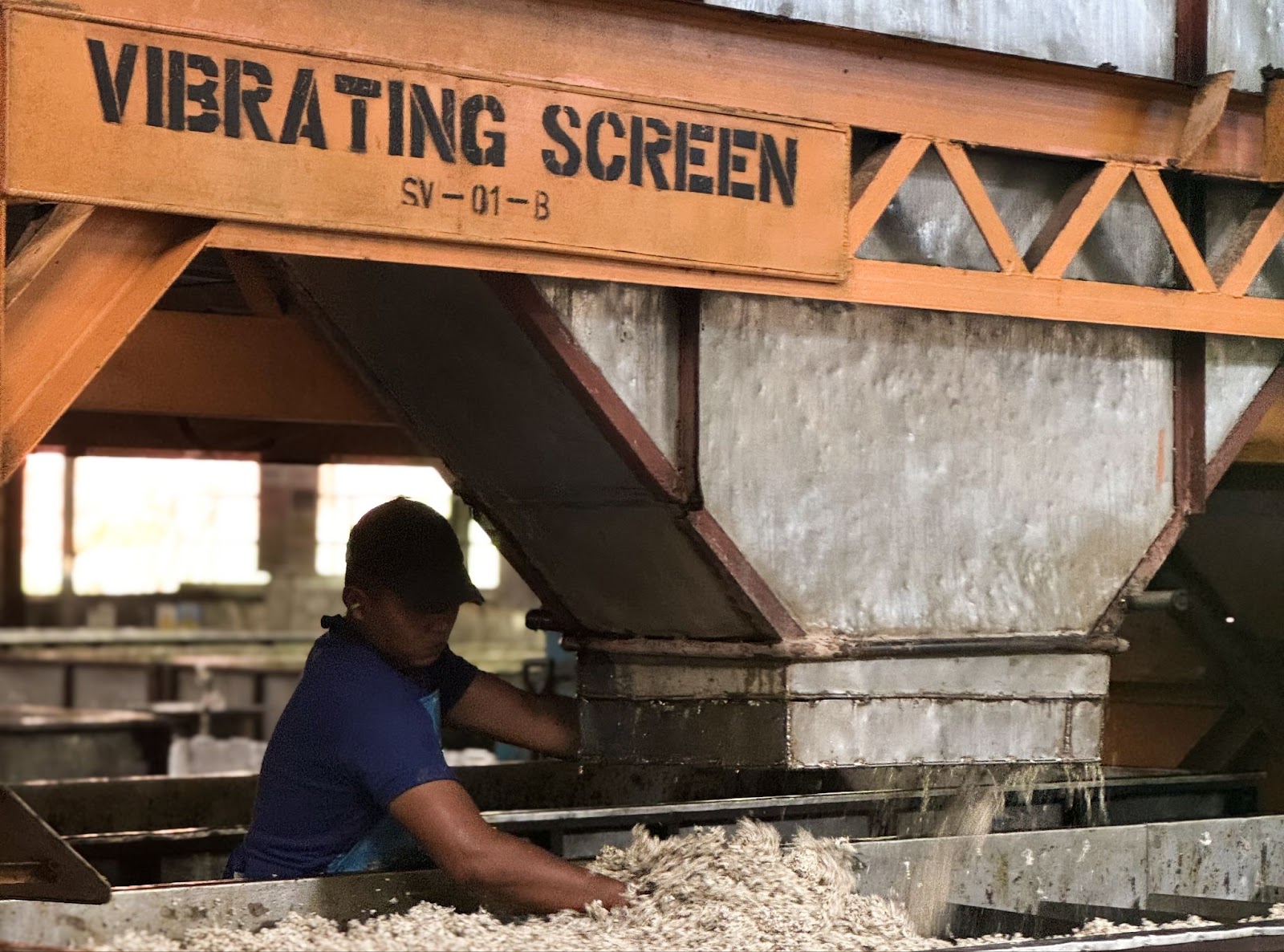
As I stood in the rubber processing factory of Halcyon Agri, the burnt smell of rubber and the deafening thumping of the machines assuaging my senses, I couldn’t help but reflect on the remarkable turn my life had taken in the past two years. 


In 2023, I traded my scrubs, the fast-paced emergency cases and the quintessential chaos of veterinary clinics to join the Global Platform for Sustainable Natural Rubber (GPSNR) as a Communications and Membership Outreach Associate. As the smell, heat, and sheer scale of operations of Halcyon’s processing plant continued to burn an imprint on my mind, it made me realise the transition to GPSNR has been grounding me in a reality far removed from any veterinary clinic.
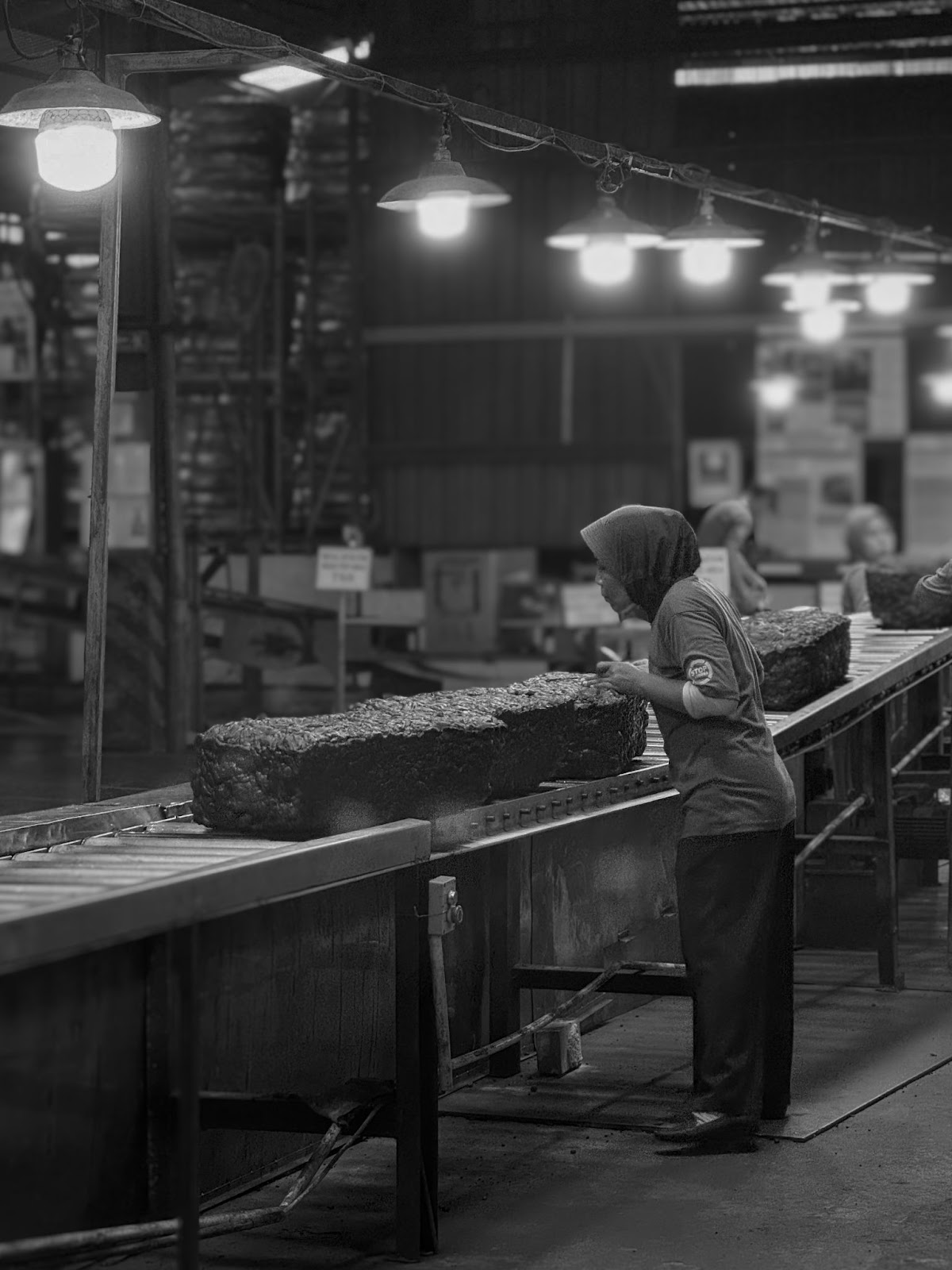
 

A worker performs quality control, carefully removing foreign pieces from compacted rubber before it gets packaged

In the veterinary field, where precision and care are everything, from diagnosing a complex case or suturing a wound, every action demands meticulousness. At the plant, while the scale and context were vastly different, the underlying principle remained unchanged. Every stage of rubber processing, from chopping the raw material into finer pieces to washing, drying, and packaging, played a critical role in meeting the exacting standards of tyre manufacturers. 


As I observed the Halcyon team navigating the plant with practised ease, I couldn’t help but draw parallels between my two worlds. Just as a misstep in surgery could mean life or death, inefficiencies in the supply chain could have far-reaching consequences for sustainability and livelihoods.


The factory floor reminded me that the path to sustainability is not linear. It’s a series of interconnected actions, each requiring deliberate effort and foresight. From supporting smallholder farmers to refining processing methods, every step in the rubber supply chain offers an opportunity to make an impact.
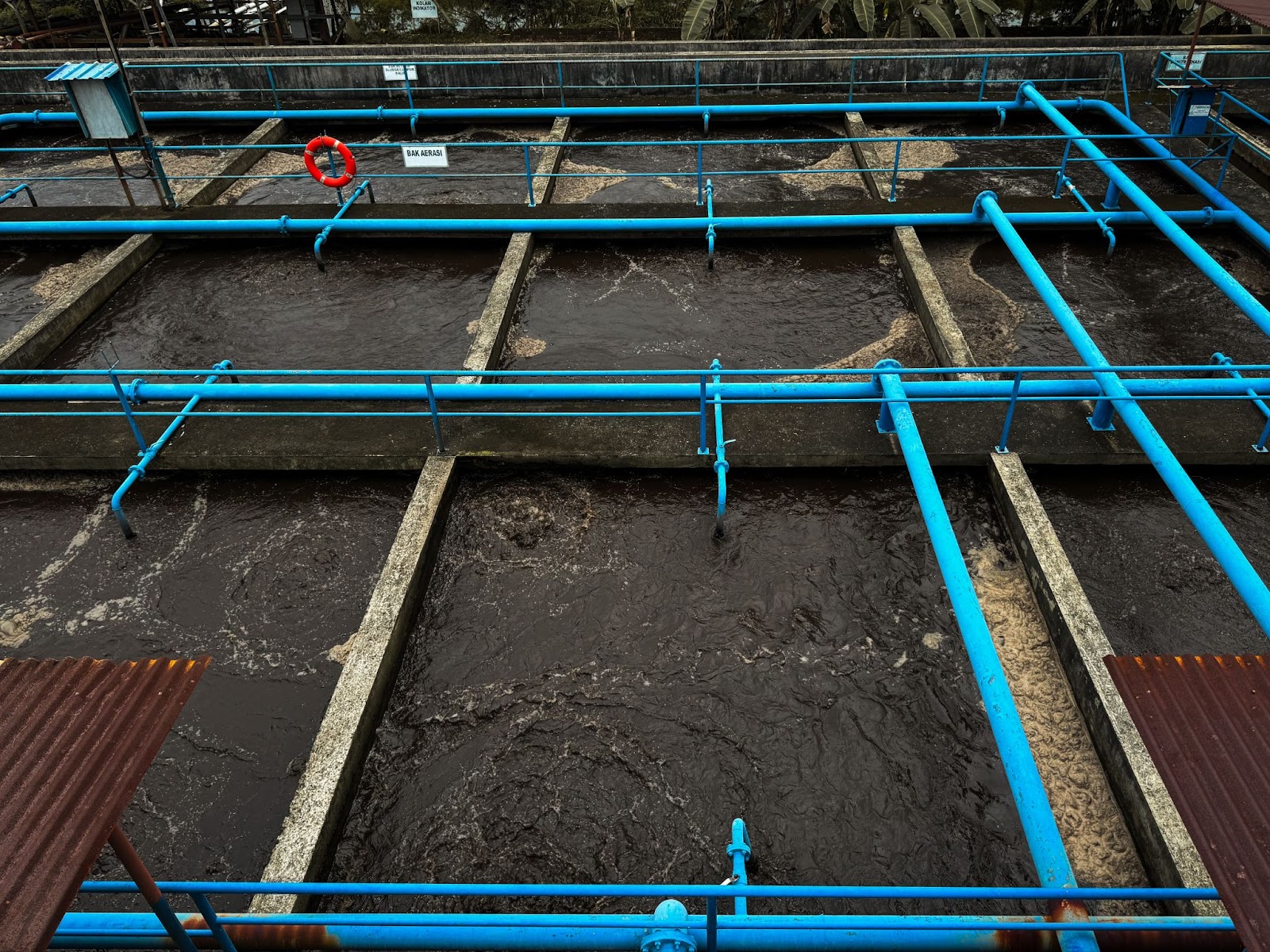
 

Water treatment facility located in Halcyon Agri


This interconnectedness is also reflected in how Halcyon manages its most essential resource: water. Any water used to wash the rubber is filtered, treated, and reused, creating a closed-loop system that minimises waste. This approach exemplifies the idea that sustainability is not about isolated actions but about fostering a system where resources flow and regenerate, much like nature itself. It’s a reminder that every step, no matter how small, contributes to a larger ecosystem of care and responsibility.
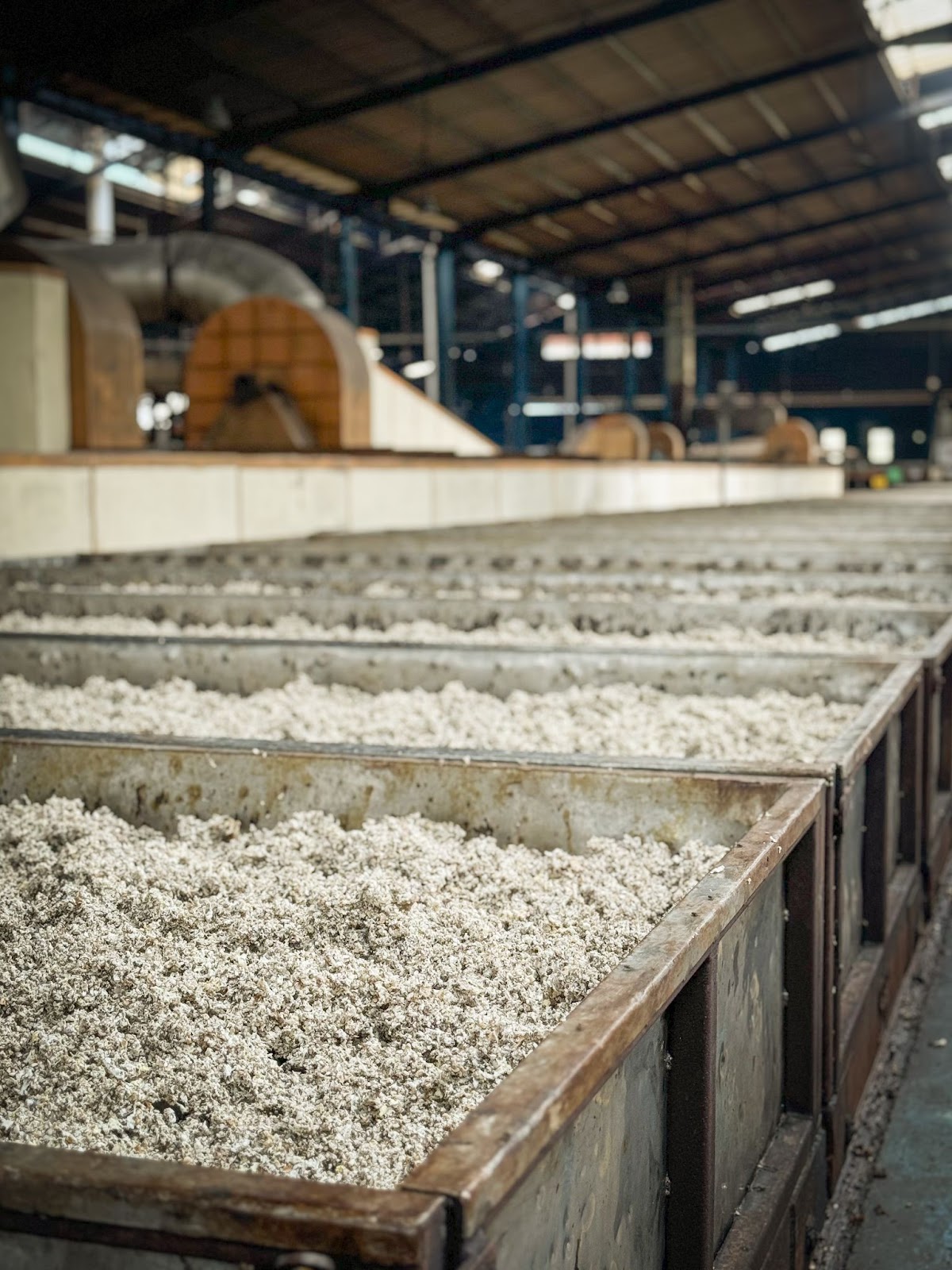
 

Chopped rubber before drying

This experience reinforced an essential truth for me: no matter the industry, meaningful change requires collaboration, innovation, and a willingness to learn. It also reminded me that stepping out of my comfort zone was not just a career move but a personal growth journey.


The journey from scrubs to sustainability has been anything but straightforward, yet it’s filled with lessons that resonate deeply. Whether it’s the precision of factory operations or the broader mission of creating a sustainable future, the experience at Halcyon’s processing plant reminded me why I chose this path.


The smell of processed rubber may fade from my memory, but the lessons learned here will stay with me. Sustainability, much like veterinary care, is about ensuring a thriving future, one step at a time.

 

More To Explore

News

Strategy and Objectives Working Group Update – November 2019

Desired state V1-0 and Theory of Change documents were circulated among Strategy & Objectives Working Group in November. Comments from the members were consolidated and will be responded to in the next version.  Theory of Change will be finalized and submitted to the Executive Committee in order to be approved at the General Assembly in March 2020.

Strategy 1 ‘Policy Toolbox’ Working Group primarily agreed on the scope of work. The desired state V1-0 serves as a baseline document which will be cross referenced with Accountability Framework initiative in order to come up with policy framework that will be applicable to GPSNR members.  The drafters volunteers will present the first draft of a policy framework to the working group members in December 2019.

Strategy 2 ‘Capacity Building’ Working Group members worked on defining priority geographical areas based on current production volume and emerging trend of natural rubber production.  The existing stakeholders and capacity building activities in those countries are being identified in order to design the plan for GPSNR on capacity building.

Strategy 3 ‘Traceability and Transparency’ Working Group members were requested to list down traceability tools that are currently in use and/or traceability tools that could be potentially used for natural rubber supply chain.  In December they will analyze the attributes of each tool to see the compatibility and applicability for transparency and risk assessment.

All the 3 working groups including Strategy & Objectives and Smallholders Representation Working Group members are given access to GPSNR discussion forum which aims to increase transparency and synergy among the working groups. You will be able to see the discussions and the documents of all the working groups but will be able to contribute only to the groups you signed up for.  Please contact nigel@gpsnr.org for your log-in credentials.

News

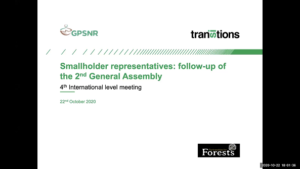
It’s a Wrap: GPSNR’s Fourth Smallholder International Call

Although it had been more than a month since the GPSNR smallholder members had met at the international level, they took their places in the online meeting with a sense of familiarity that was heartening to see. 

We had come a long way since the first international call in late August. Since then, the second and third international calls had taken place, focusing on preparing the smallholders for the General Assembly. In the weeks after the General Assembly, the Country Champions helped to organise national-level calls for the smallholders to recap the results of the resolutions and Executive Committee (EC) elections, and to discuss topics of interest to be brought up during the fourth and final international call as part of the series.

The fourth international call was held in the evening of 22 October, and attended by smallholder members from all seven countries. The call began with an update from the three smallholder EC representatives on the EC calls that they had attended thus far. Overall, the representatives had positive takeaways from the EC meetings, despite some language barriers remaining. 

Next, the Co-Chairs of GPSNR’s various Working Groups joined the call in order to introduce each of their Working Groups and briefly explain key focuses and projects. This generated some questions around the policy equivalent for smallholder members, as well as GPSNR’s approach towards traceability for smallholder producers. Several smallholder members also expressed interest in participating in these Working Groups. The Secretariat will get in touch with all smallholders members to facilitate their inclusion in the platform’s Working Groups.

The final half hour of the call was dedicated to a discussion on smallholder community dynamics and how to manage the exchange of information within the category while understanding the geographical and linguistic differences amongst the clusters of smallholder members. 

This concludes the series of preparatory calls designed by the Smallholder Representation Working Group to prepare smallholders for their first GPSNR General Assembly and outcomes. But as the saying goes: when one door closes, another opens. And in this case, the door has opened for the newest membership category to define the parameters and mechanisms of their involvement within the platform, with the support of the Secretariat and fellow GPSNR members.

Scroll to Top